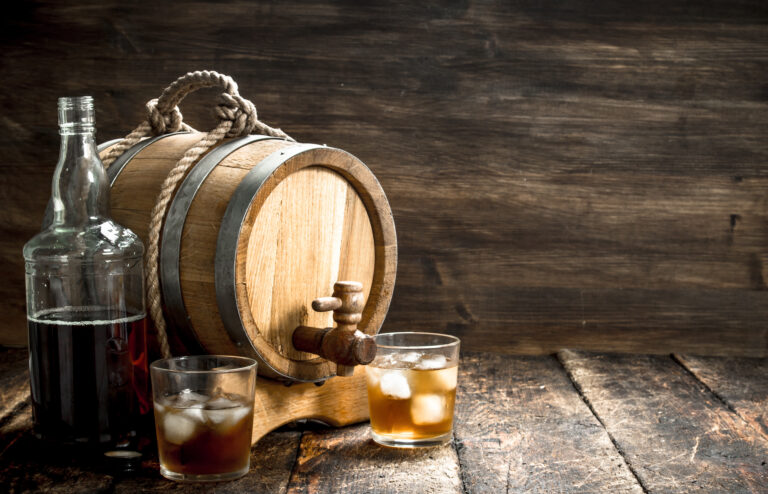
You know you want to age your own whiskey. You’ve read all about the romance of creating a custom spirit, the alchemy of time transforming raw distillate into an amber elixir. You’ve sourced small two-liter barrels to age a few bottles of the good stuff. Now the hardest part begins: waiting. How long do you need to age your whiskey to reach perfection? Unfortunately, there’s no set answer. Aging whiskey depends on factors like barrel type, barrel entry proof, mash bill, climate, and of course, personal taste. While commercial distilleries usually age standard whiskeys at least 2-5 years, a two-liter barrel accelerates the process. But that also means it’s easier to over-oak your whiskey.
The key is tasting often, and pulling the barrel when the whiskey reaches your desired flavor profile. For most, that’s around 3 to 18 months. Be patient, the rewards of your labor will be worth the wait. But don’t wait too long, or you may find you’ve overaged your precious elixir. With some trial and error, you’ll become a master of aging whiskey in no time. The perfect whiskey for you is out there, you just have to age it yourself to discover it.
Introducing 2 Liter Barrels for Aging Whiskey
If you want to age your own whiskey at home, 2 liter barrels are perfect for small-batch aging. These mini casks allow you to age whiskey faster compared to larger barrels. But how long should you age your whiskey before bottling?
Aging whiskey in 2 liter barrels speeds up the process due to the increased wood-to-whiskey ratio. You’ll get more oak flavor infusion in less time. For most whiskeys, 6-18 months may be long enough. Start with the lower end of this range, around 6-12 months, then taste regularly. Once it reaches a flavor you enjoy, bottle it up!
The aging time will depend on the type of whiskey and your personal taste. Bourbon and rye can be ready in 6-12 months. Single malts may need 12-18 months. Check in on your barrels frequently after the first few months to monitor flavor development and avoid over-oaking.
Keep in mind that whiskey will continue to mellow in the bottle. If bottling after the minimum time, your whiskey may smooth out and improve over the next few months. But after 18-24 months in a 2 liter barrel, it’s best to bottle right away to avoid an overpowering oakiness.
With frequent tasting and a little patience, you’ll determine the perfect aging time for your 2 liter barrel whiskey. Then you can sit back, pour yourself a glass and enjoy the fruits of your labor!
The Benefits of Small Barrel Aging
The smaller the barrel, the more quickly flavors develop. Aging whiskey in 2 liter barrels means you don’t have to wait long to enjoy the benefits.
After just 3-6 months, you’ll notice the whiskey taking on oaky notes from the charred barrel. Vanilla, caramel and spice flavors start to emerge. The whiskey’s color will deepen to a warm amber.
Around 9-12 months, the flavors become more pronounced. You’ll detect toasted coconut, maple syrup and nutty undertones. The whiskey will develop a slight smokey aroma.
Beyond a year, the whiskey reaches peak flavor. It takes on a velvety mouthfeel with hints of dried fruit like apricots or raisins. The alcohol burn softens, allowing the barrel flavors to shine through.
Aging for 18-24 months produces an ultra-smooth sipper with fragrant, dessert-like notes of chocolate, coffee and toffee. The barrels impart an almost brandy-like quality.
While you can age for several years, the smaller barrels mean the whiskey can become over-oaked. But after just 12-24 months, you’ll have a complex, flavorful whiskey to enjoy on its own or in cocktails. The benefits of small barrel aging are worth the wait.
How Barrel Size Impacts Whiskey Flavor
The smaller the barrel, the more quickly the whiskey will age and take on flavor from the wood. In a 2 liter barrel, the whiskey is exposed to a higher ratio of wood surface area to volume. This means the whiskey can extract compounds from the wood much faster.
Accelerated Aging
After just 3 to 6 months, a whiskey aged in a 2 liter barrel may develop a light golden color and notes of vanilla, caramel and oak. The smaller barrels allow for rapid oxidation and evaporation, which can intensify the flavor in a short period of time. The whiskey may need to be tasted regularly to avoid over-aging, which can lead to a whiskey that is overly woody or tannic.
Some distillers use small barrels to create an aged whiskey profile quickly, then blend in whiskey from larger barrels to create more complexity. The mix of barrel sizes allows the distiller to control how much of the accelerated aging character comes through in the final product.
Experimenting With Flavor
The fast aging that occurs in 2 liter barrels also allows home distillers and small craft distillers to experiment with different wood types, char levels, and barrel toasts to develop unique and distinctive flavors. Aging in small barrels provides an opportunity for discovery that isn’t possible with larger barrels where aging can take years or even decades.
While small barrels do speed up maturation, they typically can’t reproduce the smooth, mellow profile that comes from whiskey aged for a long time in a large barrel. But for creativity and experimenting with wood influence, 2 liter barrels are ideal. The possibilities for flavor are nearly endless!
Typical Aging Times for Full-Size Barrels
Aging whiskey in 2 liter barrels allows for faster aging due to increased surface area contact with the wood. However, to develop complex flavors and aromas found in traditionally aged whiskey, you’ll still want to age your whiskey for a minimum of 6-12 months.
- Six months will yield a lightly aged, vibrant whiskey with oak and spice notes. This is a good start for a young, feisty spirit.
- Nine months to a year produces a well-balanced whiskey with caramel and vanilla flavors complementing the base spirit. At this point, the oak has infused delightful flavors without overpowering the original distillate character.
- Aging for 12-18 months results in a whiskey with rich, layered flavors of dried fruit, nuts, and baking spice. The longer aging allows tannins to develop and balances the sweetness. This creates an exceptionally smooth, complex whiskey.
- Two years or more creates an intensely flavored whiskey. While this may appeal to some, there is a risk of the oak dominating the flavor at the expense of the base spirit character. Unless using a light-flavored distillate, 18-24 months is typically long enough for a well-aged whiskey in 2 liter barrels.
In the end, your palate should guide you. Sample your whiskey regularly to determine when it’s achieved a flavor you enjoy. The smaller barrels allow for quicker aging, but take frequent tasting notes so you can bottle at the perfect moment. The art of crafting whiskey comes with experience and patience.
Recommended Aging Times for 2 Liter Barrels
Aging whiskey in 2 liter barrels allows for rapid flavor development, so you’ll want to monitor it closely to avoid over-oaking. As a general rule of thumb:
- 3 to 6 months for a lightly aged, fruity whiskey. This short aging will impart subtle notes of oak and vanilla while still highlighting the base spirit.
- 6 to 12 months for a balanced, medium-aged whiskey. At this point, the oak and spirit have melded, with caramel and spice notes emerging.
- Over 12 months, you’re entering more deeply aged territory. Tannins and darker flavors become prominent after a year, with chocolate and tobacco notes coming through strongly.
Be sure to taste frequently after 6 months to find the sweet spot for your preferences. The smaller barrels mean the aging process progresses much faster. While aging for over 2 years may appeal to some, it often results in an overpoweringly oaky whiskey for most palates.
The beauty of small barrel aging is that you can create a custom whiskey tailored to your tastes in a short amount of time. Start with a small test batch, age it in 2 liter barrels, and taste regularly. You’ll be sipping your very own aged whiskey before you know it!
Tasting Your Whiskey Throughout the Aging Process
Once your whiskey has aged for at least a few months, you’ll want to start tasting it to determine how the flavor is developing. As it interacts with the wood, the whiskey’s flavor will change over time.
After 3-6 Months
At this point, you’ll notice the whiskey has taken on a light amber color from the barrel. Taste it and you’ll detect subtle notes of vanilla, caramel, and oak. The raw alcohol heat has mellowed, giving way to a smooth and balanced flavor. If it tastes a bit harsh still, be patient – more aging will improve the flavor.
6-12 Months
Now the whiskey should have a golden amber color and a nose full of vanilla and spice. The oak flavors have emerged, adding a slight woodiness. Taste it and you’ll find the flavors have married into a harmony of oak, caramel, and vanilla with a long, warm finish. It will be very smooth and drinkable at this point for most people.
1-2 Years
At a year or more, the whiskey has transformed into a deep amber color. The oak, vanilla and spice flavors have intensified while the harsher elements have disappeared. Tasting reveals a symphony of rich oak, butterscotch, maple and warm spice. The finish lasts and lasts. If you like a bold, oak-forward flavor, this may be your sweet spot.
Aging whiskey in small barrels allows you to experience how its flavor unfolds and develops over time. Keep tasting your whiskey and once it reaches a flavor you love, it’s ready to bottle and enjoy! The key is patience – let the whiskey age at its own pace to achieve maximum flavor and character. Your patience will be well rewarded.
Adjusting the Aging Time to Suit Your Tastes
The aging time for whiskey in small barrels can vary quite a bit depending on how much oak flavor and color you want in your whiskey. As a general rule of thumb:
3-6 months
After a few months, your whiskey will take on a noticeable oak character with hints of vanilla and caramel. The whiskey will develop an amber color during this time. For a lightly oaked whiskey with balanced oakiness, 3 to 6 months is a good aging period.
6-12 months
For a bolder, more robust oak flavor with notes of toasted nuts and spice, age your whiskey for 6 to 12 months. The whiskey will become a darker, burnished amber in color. This longer aging time results in a whiskey with a strong oak influence that still lets the base spirit shine through.
12+ months
If you want an intensely oaked whiskey with flavors of dark chocolate, espresso and dried fruit, age for at least 12 months. Your whiskey will develop a deep mahogany color. At this point, the oak becomes the dominant flavor in the whiskey. For some, this longer aging can result in a whiskey that is over-oaked, so tasting frequently is key.
In the end, aging time comes down to personal taste. The key is to taste your whiskey regularly to determine when it has reached your preferred level of oakiness. Once it hits the sweet spot, bottle and enjoy! The good news is, with small barrels, it won’t take long to develop a whiskey with lots of rich oak character. But keep a close eye on it, as small barrels mean the aging process happens faster. Happy aging!
Other Considerations for Aging Whiskey in Small Barrels
Other factors to keep in mind when aging whiskey in small barrels:
Temperature
The temperature of your aging environment will directly impact how quickly your whiskey ages. Warmer temperatures will speed up aging, while cooler temps will slow the process. For most home aging, room temperature is ideal.
Rotation
Rotate your barrels every few months to ensure even extraction of flavors from the wood. The whiskey in contact with the barrel staves will age faster, so rotation helps create a uniform product.
Angel’s Share
As whiskey ages, a portion evaporates – this is known as the “angel’s share.” In smaller barrels, the angel’s share is accelerated due to the higher surface area to volume ratio. Expect to lose 3-5% of the barrel volume each year to evaporation. This means less whiskey to bottle when aging is complete!
Barrel Aging Time
While aging time depends on personal taste, most small barrel aged whiskeys are best between 3 months to 2 years. Sample frequently to find your sweet spot. If aging for over a year, consider re-barreling into a new charred oak barrel to reinvigorate the aging process.
Blending
For extra complexity, try blending whiskeys of different ages and barrels together. The possibilities are endless! Start with a small test batch before scaling up to your full volume. Blending is truly an art form.
Bottling
Once aging is complete, bottle your whiskey promptly to avoid over-oaking. Make sure bottles are sterilized and fill levels leave little headspace. Your homemade whiskey is best enjoyed within 6-12 months of bottling. Cheers!
Frequently Asked Questions About Aging Whiskey in 2 Liter Barrels
How long should I age my whiskey? The aging time depends on the type of whiskey you want to end up with. Typically, a minimum of 3-5 years is recommended for a lightly aged whiskey with strong grain flavors. 7-12 years will produce a mellow, balanced whiskey. Over 12 years and you’ll get deep oak, vanilla and spice notes.
Does the barrel size matter? Yes, smaller barrels like 2 liters will age whiskey faster than larger barrels. The increased surface area to volume ratio allows for quicker interaction between the whiskey and the wood. Two liter barrels can produce a nicely aged whiskey in 1-3 years.
Should I filter or char the barrel? For maximum flavor, use an unfiltered barrel with a heavy char. The charred wood will impart more oak, caramel and smoky notes. Lightly toasted or uncharred barrels will produce a lighter, fruitier whiskey.
Do I need to age in a controlled environment? Temperature, humidity and airflow all affect aging. A controlled environment like a cellar or closet away from direct heat or light is best. Keep the barrel upright and turn it every few months.
How much does the barrel affect flavor? The barrel contributes up to 60-80% of a whiskey’s flavor and aroma compounds during aging. The type of wood, char level and age of the barrel all play a role. Oak barrels, especially American white oak, are typically used for whiskey aging.
Does the location of the barrel matter? The location of the barrel during aging can slightly influence the flavor due to differences in temperature, humidity and pressure. Barrels aged at higher altitudes or in coastal areas may develop slightly different characteristics than those aged inland. But for small barrel aging, the effects are minimal.
Final Thoughts
So there you have it, an overview of aging whiskey in smaller barrels and how long you should wait before bottling. As with many things in life, patience is a virtue. Rushing the aging process will result in a whiskey that lacks depth and character. However, aging for too long can lead to over-oaking and a whiskey that tastes more like wood than barley and oak. Finding the sweet spot, usually around 3 to 5 years for most craft distillers, is key. At the end of the day, you need to go with what tastes best to you. Taste your whiskey regularly, get input from others, and bottle when you’ve achieved a flavor you love and are proud to share with friends. Aging whiskey is an art form, so take your time and enjoy the journey! The rewards of your patience will be a whiskey with distinctive flavors that stand out from the rest.